التصنيف: دراسات أدبية

قراءات نقدية ودراسات في الأعمال الأدبية

  • دراسة في أدب الأطفال: البعد الحداثي في حكاية الأرنب بيتر

    في المناسبات نرى الكثير من البهرجات والملابس الأنيقة كبارًا وصغارُا، أرى قريبي الصغير وقد ارتدى بذلة مقلِّدًا مقيدًا بأنشوطة حول رقبته بالكاد تفسح مجالًا لدخول الهواء إلى عنقه، يرتدي حذاءَ وجوارب، يلفّه معطف والعديد من الأوامر والتحذيرات، لا يستطيع اللعب أو أكل الحلويات لئلا تتسخ الحلّة الجديدة، وقد يتعرض للتوبيخ ان ابتعد عن مكانه بدافع الفضول.

    حين أرى حب الأطفال الدائم للعب والاستكشاف أتساءل: هل خُلق الأطفال للبس أبهى الثياب والجلوس بهدوء بجانب ذويهم, أم يحق لهم السير بحرية واستيعاب العالم؟ تجيب بياتريكس بوتر عن هذه التساؤلات في حكاية الأرنب بيتر.

    “حكاية بيتر رابيت” الأرنب الذي كانت تملكه بياتريكس بوتر في طفولتها وأصبحت تمثل به في رسائلها التي كانت ترسلها لأطفال مربيتها السابقة، مصحوبةً بالحكايا والرسومات. نشرت قصة بيتر رابيت عام 1901م وأصبحت من أكثر قصص الأطفال شهرةً على الصعيد العالمي، حيث بيعت منها 45 مليون نسخة، وتُرجمت لنحو 36 لغة في العالم,

    يمكنك قراءة حكاية بيتر من هنا, نعم الحكاية مقرصنة :d

    إن أوجِزَت الحكاية فهي مثل أي قصة أطفال أخرى: توصي السيدة رابيت أبناءها بعدم الذهاب إلى مزرعة السيد مكغوردن أثناء ذهابها لشراء بعض الحاجيات، فضول بيتر، ووجود مالذ وطاب من الخضراوات شجعاه للذهاب متجاهلًا وصايا والدته.

    ولج بيتر الحديقة مستمتعًا بأطيب الفواكه والخضار حتى لاحظه السيد مكغوردن وبدأت عملية المطاردة بين الإنسان والأرنب

    واسطاع بيتر الفرار أخيرًا والعودة للمنزل مجهدًا تعِبا..

    تعد حكاية الأرنب بيتر قصة تعليمية، حيث توضح العقوبات التي يواجهها بيتر إزاء عصيان والدته ومواجهته السيد مكغوردن في الحديقة، لكن القصة لا تتوقف هنا، فقد تكون الفكرة جليّة عند قراءتها، إلا أنها تحمل إشاراتٍ تناقض النص ذاته بوسائل أخرى، فترضي المجتمع وتننقده في قصة واحدة.

    بياتريكس بوتر:  مابين الحداثة والتقليد

    قبل التوغّل في حكاية بيتر، علينا أن نعي مسوّغات الكاتبة الأساسية لإخراج قصتها في كتاب مصور

    تعد بياتريكس من مناصري التربية الحداثية، حيث تنص على أن تنشئة الطفل السليمة تكمن في اكتشافه للطبيعة وعصيانه والديه، والتصرف بشكل أكثراستقلالية من اتخاذ للقرارات ومواجهة للعقوبات.

    بينما تُعنَى التربية التقليدية بالطاعة التامّة: لبس الملابس الراقية والتصرف بتهذيب طوال الوقت، يمنع التعبير عن الآراء والمشاعر، أو أي تصرف نابع من الطفل ذاته، وكل مايجعله فردًا من هذا المجتمع، وإن حاول التصرف باستقلالية أكثر واجه عواقب وخيمة.

    في عصر بوتر، يعد من الصعب التعبيرعن هذه الأفكار بشكل مباشر لتجنب تعرضها للهجوم من قِبل المجتمع التقليدي، ففي حالٍ كهذه، لجأت بياتريكس بوتر لما يسمى بأسلوب كتاب الصور “picturebook”

    من أكثر المعلومات التي أثارت اهتمامي أثناء الدراسة، أن قصص الأطفال ليست سواء، حيث تختلف بأنواعها ومضامينها، فكتاب الصور الإيضاحية illustated book يخلف اختلافًا جذريًا عن كتاب الصور picturebook المعنيّ في حكايتنا هذه.
    تعتمد كتب الصور الإيضاحية على النص اعتمادًا كليّا، وما وجدت هذه الرسومات إلا لتقريب المعنى وتزيين النص وبناء خيال القارئ، والقارئ الصغير على وجه الخصوص.

    بينما يختلف كتاب الصور عن هذا السياق, حيث تعد الرسومات في كتاب الصور جزءًا لا يتجزأ من النص، بل يمكن أن يمثل قصة مختلفة تمامًا! مثل اللوحات التي يجدها متذوّقو الفن داخل لوحات أخرى، فنجد هنا قصةً داخل قصة أخرى.

    يخضع كتاب الصور لعدة معايير ورموز في تصوير الكتاب، كشكل الإطار والألوان المستخدمة وغيرها، وكلها لها إيضاحات ودراسات قد يتم التفصيل فيها في تدوينة لاحقة.

    قد نشهد نوعًا من “الانزلاق الدلالي” في حكاية بيتر، حيث ترسل الكلمة والصورة رسائل متضاربة. فتكتب بوتر فيما يرضي المجتمع التقليدي وتوجه من خلال رسوماتها دلالات حداثية.

    أبرز الدلالات في حكاية بيتر:

    حينما كانت السيدة رابيت توصي بناتها المطيعات: فلوبسي، موبسي وكوتن تيل بعدم الذهاب إلى حديقة السيد مكغوردن, نلاحظ إعراض بيتر عنها, حيث كان يحدق في الأفق متأهبًا لمغامرةٍ جديدة

    تعد هذه الصورة مثالًا مباشرًا على الأسلوب التقليدي المذكور آنفًا، حيث تبدو والدة بيتر وكأنها تخنق طفلها بملابسٍ لائقة، ناهيك عن كونها غير مناسبة لطبيعة بيتر كحيوان أولًا ,،وطفل ثانيًا.

    حينما حاول بيتر الفرار من مزرعة مستر مكغوردن، علق زر معطفه بأحد الشِباك، إلى أنه استطاع الفرار حينما نزع المعطف العالق، وانطلق بأقصى ما يستطيع راكضًا على أربع.

    بمعنىً آخر، نجى بيتر فور انتزاعه مظاهر التقليد وانطلق بحرية، بطبيعته الحقيقية.

    عاد بيتر إلى المنزل بصعوبة، مجهدًا من الركض والرعب، مرميًا بجانب المنزل بلا معطف ولا حذاء، أبدت الأم كل مظاهر التعاطف مع بيتر، بلا نهر ولا خِلاف، مما تعد من المظاهرالحداثية التي تقصدها بوتر.

    تصرف السيدة رابيت يدعونا للسؤال

    هل تعد أم بيتر تقليدية أم حداثية؟

    تعد السيدة رابيت مصدر حيرة للنقاد, حيث تأمر بيتر بعدم البعد عن المنزل و تقيّده بالثياب، بيد أنها لم تفعل شيئًا فور عودته إلى المنزل، هل يستحق بيتر العقاب؟

    نرى هنا مشهدَا ذكيَا من بياتريكس بوتر،حيث قدمت السيدة رابيت إلى البنات العشاء، بينما حظي بيتر بشاي البابونج مقدمًا في جرعات وكأنه دواء مما يعد عقابًا بلغة الطفل-لكن في الوقت ذاته، يعد شاي البابونج مهدئًا للأعصاب، حيث نرى بيتر متراعدًا في سريره. فهل كان عقابًا أم مواساة؟

    تمثل هذه اللحظة تحديدًا أسلوب بياتريكس بوتر بين الحداثة والتقليد، وكأنها ترضي المجتمع التقليدي بتمثيل إعطاء بيتر للدوء المزعج، وترضي نزعاتها الحداثية بماهية هذا “الدواء”..

     لا يمكنني إخفاء انبهاري بذكاء بياتريكس بوتر، فمن الصعب الجمع بين متضادين في مكان واحد، ناهيك عن وجوده في قصة للأطفال، مما جعلها من اكثر أعمال الأطفال شهرةً ونيلها إعجاب النقاد.

    وبالعودة إلى قريبي فمامكث ساعة واحدة حتى خلع نصف ملابسه الزاهية متحررًا منها كبيتر ومعطفه الأزرق الشرير، وانطلق يلهو في أرجاء المنزل :).
  • Withering Heights: Heathcliff’s Persona

    Withering Heights: Heathcliff’s Persona

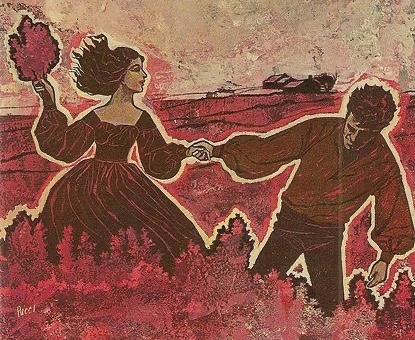
    Emily Brontë – Wuthering Heights Dell Laurel Edition LC169, 196| Cover Artist: Alberth Pucci

    Victorian literature has opened a new window to our world after the romantic era which was affected by the French revolution. Victorian literature was affected by the idea of home and abroad. Since the wide expansion of the British empire, British people had the opportunity to meet people from all races which develop the idea of belonging to home, home represents peace while abroad, the outside represents uncanny, the fear of encounter, foreign and unfamiliar. (Towheed, 2018). One of the famous figures in Victorian literature is the incredible novel Wuthering Heights by Emily Brontë. In the late 1700, in a Victorian society where women were not allowed to inherit any property from their father, or their father figure, Brontë’s novel succeeded widely Throughout the Victorian period until the present. Wuthering Heights is distinguished from any other Victorian work because of the honesty in portraying Victorian society, colonisation, racism, discrimination even diseases.

    The novel discusses many ideas related to home and abroad. The character who presented the outsider figure is Heathcliff, the dark-skinned orphan who came from Liverpool with the head of Earnshaw’s family. Throughout the novel, we will notice that Heathcliff has the most complicated persona, many critics argued about Heathcliff’s personality, whether he is a victim or a victimizer. Heathcliff’s complexity came up with many studies and theories for several approaches, such as psychoanalytical, postcolonial and Marxist.

    psychoanalytical Case Study:

    American psychologists Abraham Maslow, introduced his heretical pyramids of needs, placing the need for love, connection, and a sense of belonging, as the second basic human needs, that once should be acquired for the health of their well-being, and once who didn’t receive it, will be consumed by pathology and psychosis. Hence, considering the circumstances that Heathcliff has grown up with, motherless, humiliating, without a sense of belonging, and outcasted due to his racial origins. (Maslow, 2013) All of these qualities have shaped his attachment style, the concept that psychologist John Bowlby has introduced, that describes the way we form our bonds with others. He categorized the attaching styles into three main forms; the securely attached individual, who is full of abundance, has a healthy sense of anatomy and defined personal boundaries. Or avoidance of attachment, emotional withdrawal, fearing intimacy, vulnerability, and treating people with cold, passive-aggressive treatment. The anxious attachment, the individuals who fear abandonment, and form a sense of codependency with their love objects, that they become desperate, suicidal, and destructive, once they split away. (Bowlby, 2003)

    We can say that Heathcliff grows up anxiously emotionally attached, or rather dependent on the very person that nutrients him with love; namely Catherine, that it becomes an obsession of vendetta, once the source of his love, has turned away from him. His wound of rejection and abandonment fueled him to walk away, undertaking the path of self-purification, and come back as a wealthy, empowered man, that comes to take his revenge. Influenced by his earlier expression of toxic masculinity, he was tortured by Henry. Heathcliff repeats the same destructive behaviour of manipulating, physical violence, and authoritarian behaviours. Thus, the collective subconscious, as Carl Jung (Jung, 1981) once articulated it, has found its way to Heathcliff, who follows that approach toward his wife Isabella, and later towards his nephew Cathy, whom he forced her to marry his son Linton, so his son now can inherit her belongings, that Heathcliff will later possess. 

    The Effect of Post-colonial Circumstances

    The Victorian period is known for colonialism. During the late 1700s, Britain had invaded half of the globe from west to east, including many areas of India, which was called the British Raj. And as a circumstance, many orphans and children were brought from their countries as slaves or servants.

    Throughout Emily Bronte’s novel, we can regard the effect of the British Raj and how British people tend to treat outsiders like Indian or African people through the role of Heathcliff. mistreatment of Heathcliff can be noticed in the novel’s dialogue. the Earnshaw family used the term ‘primal repression’ referring to Heathcliff with the pronoun ‘it’ to prove that they don’t even consider him as a human being. From Mr Ernshaw, who said about Heathcliff ‘it’s as dark almost came from the devil’(WH, P.5), and Lockwood who described him as a dark-skinned gipsy to the servant Nelly Dean who used to contempt him because of his unknown origins. To convey a deep understanding of Heathcliff, Brontë emulated the common language used to describe Heathcliff’s behaviour. Uses words such as “a fierce, pitiless, wolfish man” (WH, P.81) to prove his animalist behaviour. Many philosophers and writers, especially women attacked Victorian society, Emily Brontë spoke with victims’ voices through Heathcliff. (Lodine-Chaffey, 2013)

    Brontë Attacks Society Trough Heathcliff

    In wuthering heights, we can notice the diversity of social classes throughout the novel, starting with the Lintons, who are considered to be the elite family, reaching the lowest class, the manual worker Heathcliff. Despite his origins and the postcolonial circumstances, Heathcliff’s social class played an important role in the abjection against him. He was adopted to be a son, but after Mr Earnshaw’s death, his son Hindley lowed Heathcliff’s class to end up being a servant in the Heights. The Marxist study shows how the protagonists Catherine and Heathcliff betrayed their selves and their passion to seek an upper social value. After spending weeks in the Thrushcross Grange, Catherine abandoned her lover Heathcliff and chose to marry Edgar Linton, saying that choosing Heathcliff will lead them to be beggars. Choosing a life partner could be motivated by the human need for social and economic status, When Heathcliff heard about Catherin’s decision, he also abandoned her for three years intending to raise his social status to be a capitalist, so we can say that they betrayed their love for their needs for power and validation. After Heathcliff returns with money and power, he decided to take revenge on everyone who abused him throughout his childhood by being a capitalist. Emily Brontë focused on the Victorian social class, the Marxist theory is presented by the way that Heathcliff took his revenge by using his social class. Fact, wuthering heights was published four months before Karl Marx’s book “The communist Manifesto’. (Karjohn, 2012)

    Emily Brontë has created Heathcliff in a really intelligent way, he is not merely a regular novel character, he represents the psychological statuses such as attachment and childhood trauma, political effects on people, and social studies which makes Wuthering Heights one of the most literary works studied by critics. 

    References

    Primary resource:

    Brontë, E., 1996. Wuthering Heights. Dover Thrift Edition ed. Mineola. new york Dover publications.

    Secondary resources:

    Bowlby, J., 2003. Attachment & Loss #1. In: Attachment. New York: Vintage Digital, p. 167.

    Jung, C., 1981. The Archetypes and the Collective Unconscious. p. 54.

    Karjohn, E., 2012. Self Betrayal: Marxist and Psychoanalytic Analyses of Emily Brontë’s Wuthering Heights. Dept of Languages and Literature / English, p. 32.

    Lodine-Chaffey, J., 2013. Heathcliff’s Abject State in Emily Brontë’s Wuthering Heights. In: brontë studies. Washington: Washington State University, pp. 206-2018.

    Maslow, A., 2013. In: A Theory Of Human Motivation. London: CreateSpace Independent Publishing, p. 29.

    Towheed, S., 2018. Home and abroad in the Victorian age. In: S. T. Nicola J. Watson, ed. Romantics and Victorians. Milton Keynes: the Open University, p. 153.